New Virtual Instrument, Dreamtonics Instrument X ‘AI-driven’ Synthesis
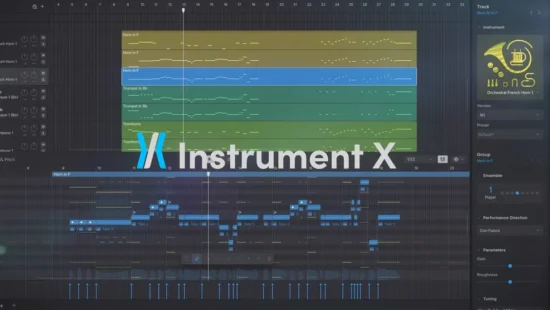
The Tokyo-based company, Dreamtonics, has announced Instrument X, the newest addition to the Dreamtonics ecosystem alongside Synthesizer V Studio 2 Pro and Vocoflex.
Instrument X, a revolutionary new virtual instrument platform that completes the Dreamtonics trilogy. Replacing rigid sample libraries with cutting-edge neural acoustics modeling, Instrument X translates notation directly into natural acoustic radiation with human-level expression and lightweight, local processing speeds.
Instrument X replaces static sample libraries with neural acoustic modeling, translating your notation directly into natural, expressive instrumental performances. It runs entirely on your local machine, with no dedicated GPU or internet connection required.
Like the company’s previous wares, AI – or rather ‘neural acoustic modelling’ – is the underlying secret sauce behind the ambiguously-titled Instrument X. Rather than relying on multi-gigabyte sample playback, Instrument X smartly adjusts the performances of its instruments in realtime, with a range of classical instruments to cherry-pick.
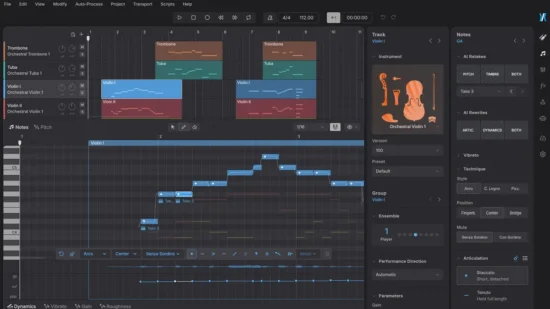
Key features include the Unified Articulation Editor, Predictive Dynamics Lanes (Manually Adjustable), AI Performance Retakes, Advanced Polyphony with Track Splitting capability, Microphone Mixer Panel made using Neural Acoustic Modeling, and 5 Performance Direction presets (Adagio, Allegro, con Fuoco, Pop, Ballad). The launch lineup features 15 individual instrument expansions across Orchestral Strings, Woodwinds, and Brass and Jazz Saxophone collections.
Beyond the lack of storage space required by this acoustic modeling-based platform, the standout feature of Instrument X is its ability to direct your virtual players via its easy to use interface.
While Smart Articulation is able to automate your performances, you’re also empowered to edit in forensic detail – adjust notes as well as articulations such as staccato, legato and tenuto. You can then layer in instrument-specific articulations to further shape your virtual instrument performances. Remember, this is all running live within the standalone program – and no internet connection is required.
But instrumental technique is just the beginning, you’re also able to dictate the mechanical bow friction, breath pressure and harmonic saturation of your players. The AI Performance Retakes allow you to instantly shake-up performance variations, to add some spontaneity and human-like flavour to proceedings. Fluid gesture synthesis allows you to evolve notes continuously from a whisper to a roar with no obvious breaks in the performance.
Dreamtonics measured the geometry of its studio with its own patented dodecahedral speaker array. Using these measurements, the company has been able to detach the instrument source from the directional acoustics, meaning that you can find your perfect blend of microphones and smartly configure the sound of the room to your taste, too. Using the 11-channel Microphone Mixer panel (Spot, Decca Tree, Ambient pairs) you can conjure full phase-coherent rooms on the fly.
“Marking a monumental breakthrough in computational acoustics, this new platform replaces rigid, multi-gigabyte sample-playback libraries with neural acoustics modeling,” Dreamtonics states. “By translating notation directly into sound-wave radiation, Instrument X grants composers, film scorers, and music producers unprecedented command over organic bow, breath, and key articulation directly from their keyboard, bypassing static loop triggering entirely.”
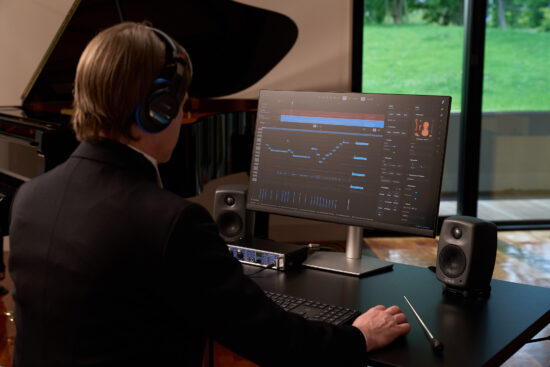
Now, 15 individual instrument expansion are available across three separate collections – as described by Dreamtonics below:
Orchestral Strings Collection: Features Violin 1, Viola 1, Violoncello 1, and Contrabass 1. Engineered for fluid legato lines, cinematic swells, and continuous micro-pitch bowing adjustments. It includes deep structural micro-editing for breath rests, major/minor interval trills, tremolos, falls, portamentos, and harmonics, alongside dedicated pizzicato, col legno, sul ponticello, and sul tasto techniques. Fully modeled con sordino mute integration provides authentic physical dampening.
Orchestral Woodwinds Collection: Features Flute 1, Piccolo 1, Oboe 1, Clarinet in A 1, and Bassoon 1. Captures organic breath dynamics and true register transitions. Specialized articulations include inhalation breath triggers, major/minor interval trills, expressive falls (Clarinet and Bassoon), and native harmonics (Flute 1).
Orchestral Brass Collection: Features Trumpet 1, Trombone 1, Horn 1, and Tuba 1. Includes deep breath tracking across all sections, alongside specialized techniques like trumpet trills/tremolos, trombone portamento glides, and horn stopped notes. Trumpet 1 and Trombone 1 feature full modeling for straight, cup, and harmon mutes.
“While it may sound incredibly difficult to transcend the static constraints of traditional sample playback to achieve a fluid, organic performance, the ‘AI-driven’ synthesis is actually the straightforward part,” Dreamtonics’ CEO Kanru Hua says. “The true challenge lies in deep-customizing this technology to satisfy the exacting, high-end demands of real-world composition and production experts.”
Instrument X is available now at the Dreamtonics Store. The core editor is free to download with the purchase of any Instrument Expansion ($99 each). If you want to try before you buy, a free 14-day editor trial and 7-day instrument trials are also available. To build your bespoke instrumental rack, you can also purchase single Instrument Expansions individually.
Find out more about Instrument X at Dreamtonics site.