Monolith New Cinematic Percussion Sound Library


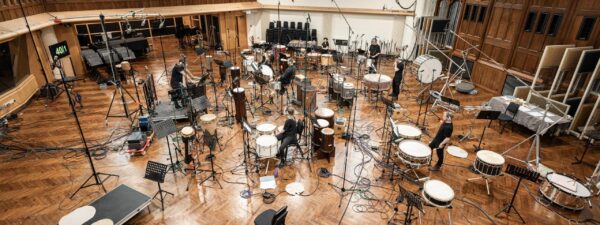
Orchestral Tools has introduced Monolith, a new sound library that features the sounds of 53 big drums, carefully tuned and voiced, playable as ensembles and as single instruments.

What they say about it:

“Explore 53 drums from composer Richard Harvey’s instrument collection. All but one of the drums have animal skin heads, and some are over 100 years old—these antiques not only sound amazing, they also emanate a majestic aura of musical history.

The drums were curated to provide a carefully sculpted sound with maximum range—from the enormous bass of the Lanna drum to the perfectly tuned dun duns and the high accents of the West African log drums. The drums were then placed in the hall to capture the optimal soundfield, tuned to each other, and voiced to sync decay times.”

Features:

  • 53 rare and unique drums, 68 patches
  • Ensembles and selected single instruments
  • All drums carefully tuned and voiced
  • Hits, flams, and upbeats
  • Multiple beater options
  • Dynamic keyboard mapping
  • Alternative mapping options and processed patches
  • 20 dynamic layers
  • 10 mic positions
  • Recorded at Lyndhurst Hall, AIR Studios

Official Walkthrough Video:

Monolith is available now with an introductory price of €199 + VAT through April 17 (normally €299).
 

No Talk Demo: 50 Patches For Behringer Edge

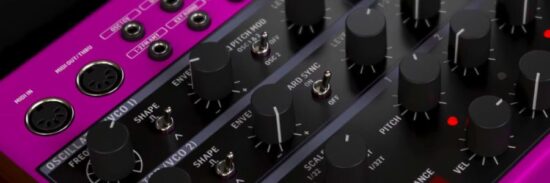
Sound designer Anton Anru shared this video demo of Modular Grooves, a collection of 50 patches + patterns for the Behringer Edge synthesizer.

The collection features 17 Percs/Drums, 16 Basses, 17 Synths. Anru says that the collection is “dedicated to the modular vibe”. In addition to offering a preview of the sound library, the video showcases the sonic range of the Behringer Edge.

*Note: The soundset is presented in PDF format, because the Behringer Edge does not have presets. Each page contains notes that explain how the patch works, what parameters are worth tweaking during playback, and how to develop the timbre during a performance.

Modular Grooves is available now for $24.95.


How To Recreate Herbie Hancock’s ‘Chameleon’ Bassline

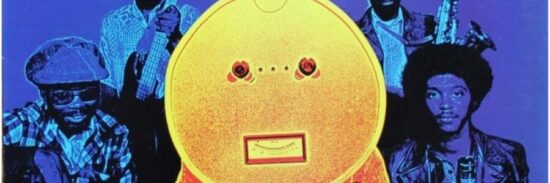
Composer and Synthesist Anthony Marinelli – in his latest video – takes a look at recreating the classic bass sound of Herbie Hancock‘s Chameleon, from the 1973 jazz fusion album, Head Hunters.

Marinelli shows, step-by-step, how to recreate the iconic bass sound, using the same 1972 ARP Odyssey synthesizer model that Hancock used.

What Marinelli has to say about it:

“Not only is it one of my all-time favorite synth bass sounds, it also changed the reach of jazz music by opening up the mindset of both jazz musicians and the listening public to fresh new sounds. This was much needed in the 70’s to compete with rock ‘n’ roll’s dominance of the airwaves. Synth sounds allowed jazz musicians to connect with a larger set of minds and voices yet retain still retain musical complexity, quality, and integrity.

The cornerstone techniques in this video will effectively elevate your synthesizer power, no matter what style you prefer.”


Topics covered:

00:00 “Chameleon” intro cover performance

00:30 Anthony’s Intro

01:25 ARP Odyssey Panel Explanation

02:12 Setting the Oscillator Pitch & Waveforms

03:06 Setting the Mixer & Voltage Controlled Filter VCF

04:05 Setting the ADSR Envelope Generator

04:59 Setting the VCA

05:37 Setting the Keyboard Control Voltage

06:56 Dialing in the Distortion

08:35 Keyboard Articulation & Phrasing

09:34 Summary of “Chameleon” Bass

10:22 Logo (theme music)