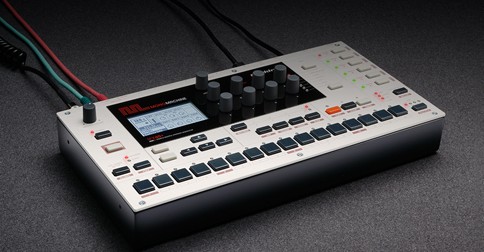
Gearmulator MD/MM is a new open-source project by Joe Landers that emulates the Elektron MonoMachine and MachineDrum.
The software essentially creates a virtual machine that can run the official firmware, and handle the input and output needed to be used on your computer.
It is currently in alpha, but there are downloads for Linux, Mac and Windows. It requires you to supply your own firmware file.
If you’ve given this a try, share your experience in the comments!
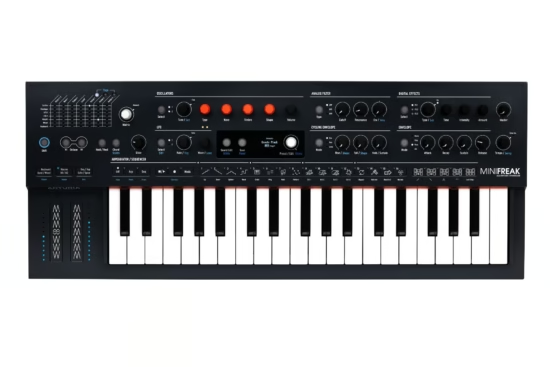
Arturia has release v5 firmware for the MiniFreak, adding user sample and wavetable import, plus a new Factory Bank v5.0 with 23 new presets.
Features:
User sample import – import your own WAV, AIFF and FLAC samples and reshape them with MiniFreak’s sample-based engines, including granular processing, for unexpected textures and custom sound design. 12-bit / 32 kHz, up to 6 seconds.
User wavetables – Import mono wavetables from your favorite libraries, including Pigments, and twist them on the fly with the Wavetable engine. 24-bit, 512 points for wide compatibility.
New factory presets – 23 brand new presets bringing exclusive new sample and wavetable content, for you to explore with your favorite Freak engines.
Arturia MiniFreak v5 is available now as a free download. MiniFreak is available now on Amazon site.
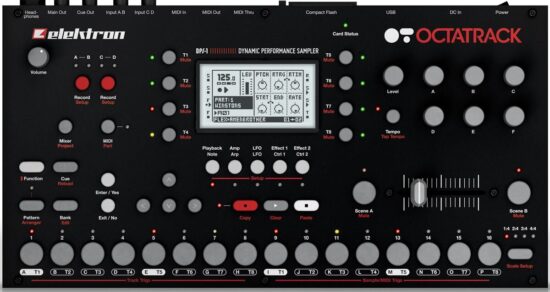
Octabam is an open-source firmware remixing project that lets Elektron Octatrack owners build custom versions of the OS 1.40C firmware, combining community modifications with experimental DSP features.
Rather than distributing a modified Elektron OS, the project builds a new firmware image from the user’s own copy of OS 1.40C.
If you’re an Octatrack owners, Octabam promises to give you new effects, expanded MIDI functionality, additional sound-design options and bug fixes that aren’t available in the stock firmware.
Current modules include an auxiliary send bus with delay and eight-line FDN reverb, new filter/saturation/modulation effects, six experimental per-track inserts, MIDI-driven parameter locks, expanded Octakit functionality, a LO-FI pitch fix, tempo-synced delay, and a recorder-loop click fix.
The project also provides a framework for combining future community-developed modifications into customized firmware “remixes,” with automated compatibility checks and emulation/testing tools intended to catch conflicts before an image is flashed. The project currently supports both Octatrack MKI and MKII for the shared OS 1.40C image.
Note*: Octabam is an unofficial firmware modification, so back up your projects before trying this out.
If any readers have given Octabam a try, leave a comment and share your experience.