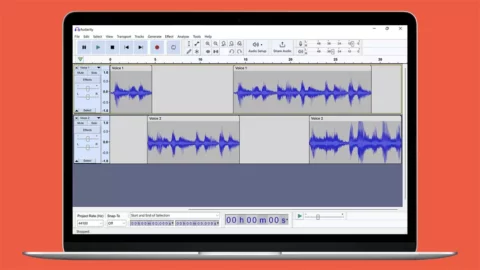
Audacity takes a “major step towards transforming into a DAW” as it reaches version 3.2. The free and open-source software aims for “end-to-end production tool” status, adding realtime effects processing, cloud sharing and more.
Audacity have been around since 2000, but not only does free and open-source audio editor, it continues to evolve. Version 3.2 has now landed, and it promises to take “large strides” towards transforming the software into an “end-to-end production tool”. In other words, a fully-fledged DAW.
‘What’s new at Audacity 3.2?’ At a glance, list indicates that this is indeed a significant update. There’s now realtime effects support, meaning that processing can be applied non-destructively and parameters can be tweaked on-the-fly, and effects can also be ‘stacked’.
In other news, the interface has been cleaned-up – stripped back, simplified and made more ‘DAW-like’ according to Audacity developer Muse Group. VST3 plugin support is also part of the v3.2 package.
In addition, we have audio.com, a new audio sharing platform that enables you to back up your Audacity projects to the cloud directly from the software. You can then share your content publicly or privately.
Key new features in Audacity 3.2:
VST3 support
Realtime Effects support
The ability to upload and share audio with audio.com
Apple Silicon support
Audacity 3.2 runs on PC, Mac and Linux and can be downloaded now on the Audacity website. See the release notes for details.
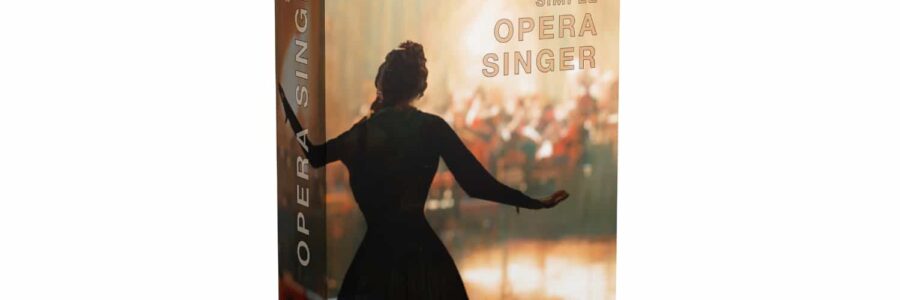
Fluffy Audio has introduced Simple Opera Singer, a virtual instrument for Kontakt that puts an opera singer into your DAW.
What they say about it:
“Ji Min Oh is one of those singers who has made an instrument out of her voice: from the softest, most delicate nuances to the clearest fortissimo, her timbre is clean, precise, powerful, and yet expressive and moving. Therefore, after the session – when we sampled her for Spaghetti Western – we thought to extend the sampling with a unique legato articulation with syllables and quasi-words to make the most out of her remarkable lyrical voice.
Compared with the Opera Singer made for Spaghetti Western, Simple Opera Singer features one more microphone position and a special articulation called “words legato”, which triggers random syllables to make the line “singing” (…a kind of Italian / German grammelot, although the lyrics are meaningless the results are impressive!).”
The latest Brick Technology video documents the creation of a tangible drum sequencer, built with LEGO bricks.
The drum sequencer is designed similarly to a music box, using pegs to mechanically hit piezo pickups that trigger a Roland TD-9 percussion sound module. Ultimately, the sound comes from Toontrack’s Superior Drummer 3, driven via MIDI.