Bandcamp Bans AI-Generated Music
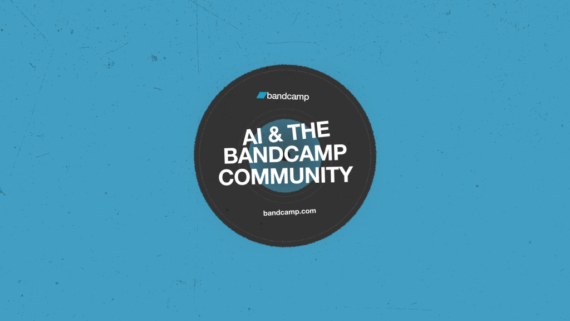
Bandcamp has banned AI-generated music from its platform.
Bandcamp made the announcement on Tuesday (January 13) that it is banning AI-generated music.
The move comes as some streaming services are increasingly playing AI-generated tracks to listeners, instead of musician’s music.
It began: “Bandcamp’s mission is to help spread the healing power of music by building a community where artists thrive through the direct support of their fans.
“We believe that the human connection found through music is a vital part of our society and culture, and that music is much more than a product to be consumed. It’s the result of a human cultural dialogue stretching back before the written word.”
“Similarly, musicians are more than mere producers of sound. They are vital members of our communities, our culture, and our social fabric.
“Bandcamp was built to directly connect artists and their fans, and to make it easy for fans to support artists equitably so that they can keep making music.”
We’re articulating our approach to generative AI so musicians can keep making music and fans can trust the music they find on Bandcamp. https://t.co/hRXLd1Q5OE
— bandcamp (@Bandcamp) January 13, 2026
Bandcamp guidelines are quite clear. Music and audio that is “generated wholly” or in “substantial part” by AI is not permitted on the platform. Any use of AI tools to “impersonate other artists or styles” is also strictly prohibited “in accordance with our existing policies prohibiting impersonation and intellectual property infringement.”
Bandcamp also called on listeners to report any music on the platform which appeared to be made “entirely or with heavy reliance” on generative AI, using the reporting tools on the site.
“With this policy, we’re putting human creativity first,” they said, “and we will be sure to communicate any updates to the policy as the rapidly changing generative AI space develops.”
At a time when other platforms are scrabbling to keep up with and cope with the sheer volume of AI-generated ‘slop’ flooding their systems, Bandcamp’s unequivocal stance is striking as well as being an important assertion of who actually counts: musicians, not tech brands.
What do you think of Bandcamp’s ban? Leave a comment and share your thoughts!